YouTube is undoubtedly the biggest video sharing platform on the internet, in 2023 over 2 billion people used the site worldwide with over 1 billion hours watched on any given day. So it stands to reason that the site probably has a fairly large impact on modern society as a whole, but is it having an effect on football?
Since the first video was uploaded on YouTube around 18 years ago, the platform has quickly gained popularity as a new destination to watch sports. Despite being a relatively young platform, YouTube became a popular source for sports enthusiasts to watch sports events, highlights, interviews, and behind-the-scenes content. Whilst it easy accessibility made it a popular choice for sports fans all around the world, it struggled to be taken seriously by sports broadcasters due to the site being free to access and mainly used by amateur content creators
Fast forward a couple of decades to today’s digitalised world and you can see the influence YouTube has, as mentioned before over 2 billion people use the site, with the platform not only being taken more seriously but also being utilised as one of the main mediums for digital content from non-league clubs such as Eastleigh United who post extra content such as alternative angles for their goals, all the way up to the largest clubs such as FC Barcelona, and then even the Three Lions make it a priority to regularly upload content.
However, it is at the amateur and grassroots levels where YouTube can be the most beneficial due to the considerable investment needed to become a fully trained coach. Even an introductory course can cost up to £100, while a UEFA C License can set you back £500, and a UEFA A Pro License can cost just short of £10,000. Besides the monetary cost, the time required is also significant – lower courses take a few months, while higher courses take over a year. This is a considerable investment for amateur and youth levels, and many people do not have the resources to pay these costs or dedicate that amount of time.
In addition to these huge costs, it just so happens that football tactical analysis has gained quite a boom in popularity in recent years; channels such as Football Meta, FourFourTwo and Football Made Simple all have over 100,000 subscribers, whilst Tifo Football has over 1,500,000!
So how do they help?
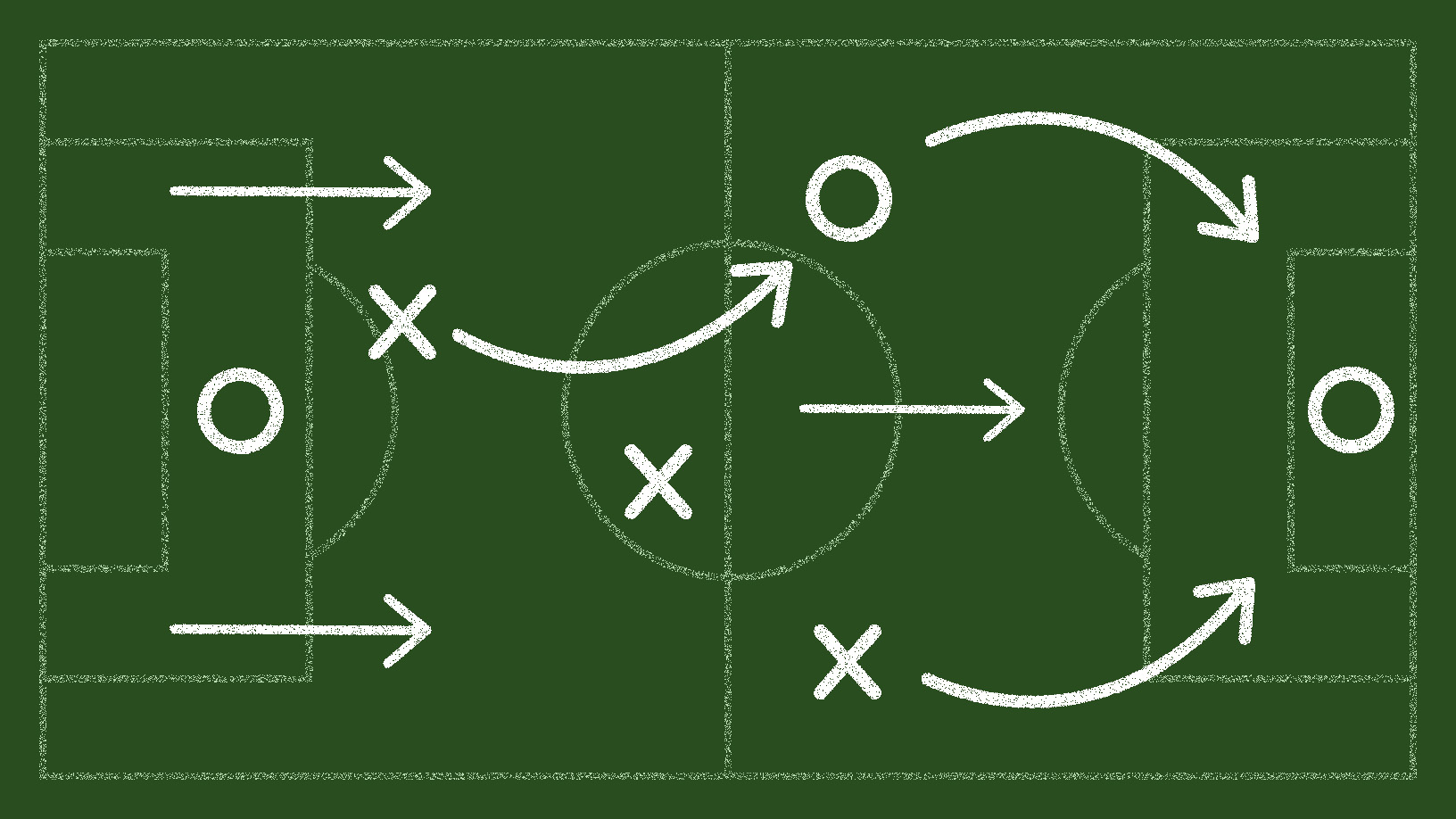
Tifo and similar channels have made it easier to understand complex football tactics that were once used only by top-tier teams. For instance, ‘gegenpressing‘, which literally means ‘counterpressing’, used to be a popular tactic only in the Bundesliga. However, in recent years, it has gained popularity worldwide due to its effectiveness in providing attacking presence and maintaining a solid defence. Whilst Jurgen Klopp undoubtedly made it so popular in the Premier League through it’s use in his 2019/20 title winning season, the tactic was still relatively hard to understand.
The Tifo presenter simplified this significantly in a short video (under 5 minutes short), he explained that the basic idea of Gegenpressing is that when a team loses the ball, they should immediately try to win it back. This is done by putting pressure on the player who has the ball, and by closing down the passing lanes to his teammates. The goal is to force the player into a mistake, or to win the ball back before he has a chance to start an attack.
Although the tactic is much more complex than what is shown in the video, it is still a valuable resource for novice coaches who cannot afford expensive training. When applied at the grassroots level, the tactic can be refined as it becomes available to more coaches who can provide their own feedback and suggestions to improve it. This is vital for football's progression because, as suggested in the name, football starts at the grassroots!
 Media and Digital Transformation in Sport