
We are back! Last Blog outlined how media ecology is effecting gender equality in the present day. Overall is was quite positive, however the new age of media could be creating some problems for both men’s and women’s tennis. Lets discuss.
New media is involving not just using new technologies, it is an interactive network, opening up everything to everyone (Jang & Park, 2016). A large difference between old and new media is that there are now no gatekeepers to platforms, you can say and post whatever you like. This modern format creates a completely even playing field for men and women, which is perfect to equally grow men’s and woman’s tennis.
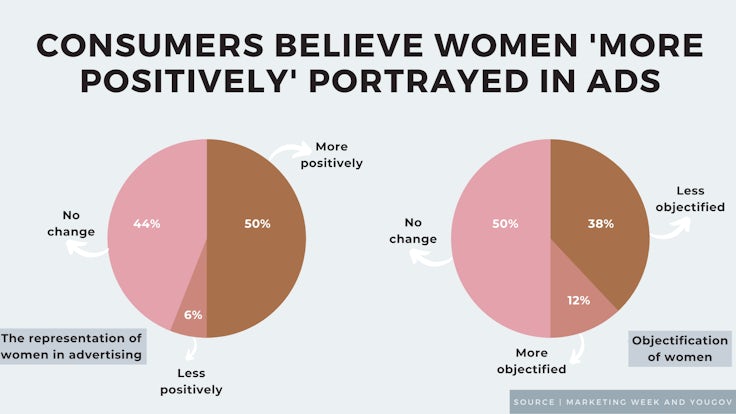
‘Platformisation‘ is the best way of expanding digital outreach, but what do these platforms look like? Facebook and Instagram have a heavy level of monetisation which is political, environmental and mostly cultural (Bucher, 2021). Targeted ads direct consumers to pages they can relate to. As 56.5% of users are female this means there will be fewer applications to male pages. So when looking at developing male and female tennis, the women have the upper hand on these platforms. On the other side of this Twitter is a 63% male dominated platform, so it can be shown that new media isn’t as much of a ‘equal playing field’ as we thought.
Instagram is also seen as a space for sports-women to express their personal identities beyond the athletic setting (Tofoletti & Thorpe, 2018). If the platform has been designed so women are more able to do this, it could it be another example of ‘Equity’ over ‘equality’ in the social media sport setting.
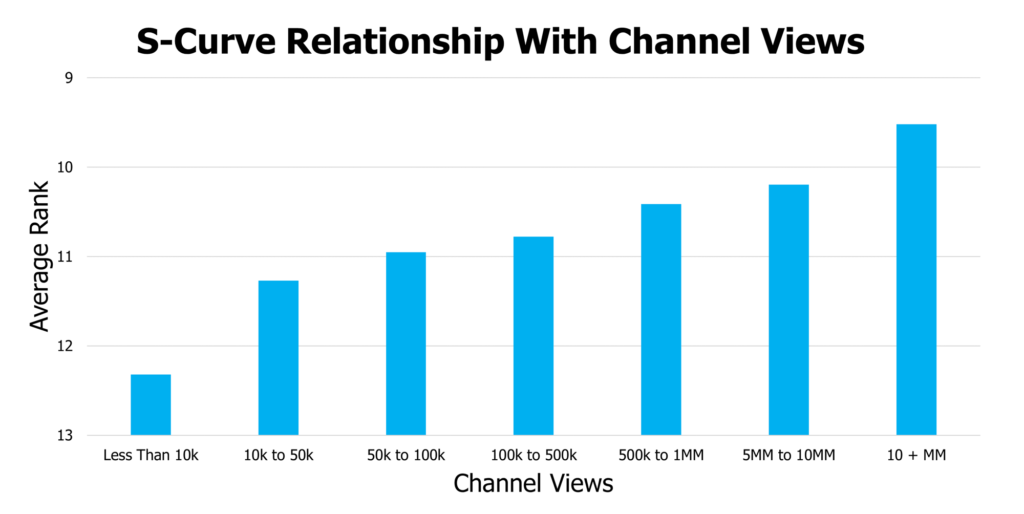
YouTube is more like multiple platforms than just one, each large channels having more individualism. YouTube has algorithm technology in order to decide which videos pop up and get the more attention. As men’s and women’s tennis are in the same genre, ATP and WTA channels end up competing for views, likes and shares. This is a battle the WTA is currently winning by far With 800k Subs to the ATP 400k, Therefore men’s tennis isn’t getting the same level of exposure on this platform. This technology is very similar to other platforms such as TikTok, however TikTok has a much more even field, Focusing more on individual videos rather than being as channel/profile focused.
We are now all caught up! After reviewing the past and present gender media ecology in sport it is now time to think about where it is going. What is the next best step? And do we think equity could go too far? Find out next week
 Media and Digital Transformation in Sport
Leave a comment