
Last Blog was discussing the effect media has had in the past on gender inequalities in tennis, so it’s now time to look at the current status quo. Is it all still positive? Or is there a change in the winds?
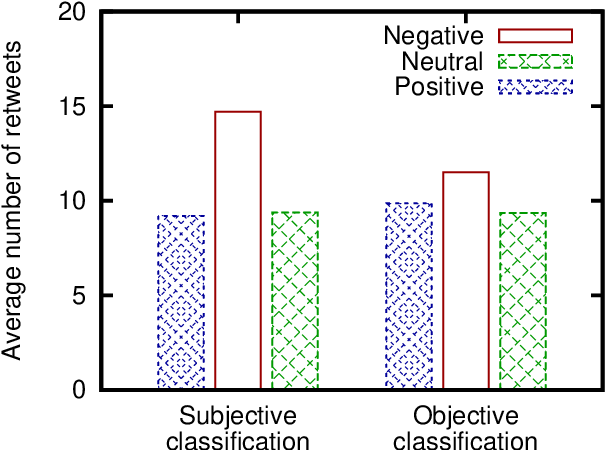
As discussed, media is a reflection of current world opinions (Holtz-Bacha & Stromback, 2012). As the world has started to prioritise gender equality media influences now put more pressure on sporting organisations to ensure fairness. Suppliers of new and old forms of media know that negative messages spread faster and wider than positive (Tsugawa & Ohsaki, 2015) so therefore anything that isn’t equal can be jumped on, and the sporting organisation will have a PR nightmare on their hands. You can see the level of spreadability negative traffic has on social media to the right.
This constant pressure has had some great outputs for the women’s game. Recent changes such as equal centre court time at tournaments and equal prize money in tournaments are almost everywhere now in the professional game. Women’s sponsership deals are catching up with the help of recent media pressure. Mainstream media is still criticising TV broadcasters such as BT Sport for not featuring women’s games as much (Scelles & Pfister, 2021). So all pretty positive, but what’s the other side of the coin ?

Because of media success using criticism of inequality towards the women’s game, developments are now being made favouring women to ensure no bad press. Wimbledon have made a new rule for 2024 allowing women to break the dress code at Wimbledon. However men can not (Wimbledon.co.uk, 2023). Even at Grass routes, girls can now play down age groups if they are not good enough whereas boys have to stay, regardless of ability (LTA.org.uk, 2023).
Some would argue that equality is an impossible achievement, and physical differences will require differences in rules to allow for a fairer environment over all (Grogan, 1999). This is know as ‘Equity’. The quest for true equity can be more opinion based. Where is the true balance? This is where the original push for equality came from, as a measurable line it is much more clear what is equal (Harris, 2011). The media plays a very active and influential role in deciding what the public see as equal, but as each media outlet has their own agenda to spread a more negative message as discussed, this could be influencing the gender movement in the wrong direction? Maladies such as xenophobia, narcissism and populism can already be credited to the heavy influence of media (Dueze, 2020), therefore media could be sending the sport gender balance in a negative direction for the future.
Equity or equality then? Only the future can tell us which is best.
Thank you for reading! The next part will outline how with all the developments we’ve discussed here, there are still ways we are going backwards.
 Media and Digital Transformation in Sport
Leave a comment