In today's YouTube video, we analyze NBC's strategy of sending 27 influencers to the Paris 2024 Olympic Games. We examine platform performance, engagement levels of creators, and the rationale behind these outcomes. Additionally, we discuss how these collaborations helped NBC reach new demographics and enhance content spreadability.
Future Trends in sport media: Is VR set to take over?
The future of sports media is uncertain due to rapid technological advancements, particularly in virtual reality (VR), which enhances fan engagement. While VR's mass adoption faces barriers like cost, traditional media may adapt by integrating streaming services and influencers. Ultimately, the viewing experience is evolving, reshaping how fans interact with sports.
The Rise of Short-Form Content in Olympic Coverage: Is This the Future?
Let’s talk sport Hey you, I'm so happy you're here, so let's talk sport together! In this episode, we dive into the growing influence of short-form content in Olympic coverage, focusing on platforms like TikTok and Instagram Reels during the 2024 Paris Games. We explore how digital creators and athletes engaged audiences, the effectiveness of... Continue Reading →
Digital Creators vs. Traditional Journalists: Who Delivered the Olympic Experience Better?
Let's talk sport! Hey you, I'm so happy you are here! Just in time to talk some sport! Who truly brought the 2024 Paris Olympics to life—digital creators or traditional journalists? In this exciting episode, we dive into their storytelling styles, explore how they engaged audiences, and uncover who delivered the ultimate Olympic experience. Get... Continue Reading →
Monetising Engagement ~ NBC’s Commercial Success with Digital Creators
The digitalisation of content has transformed traditional business models in sports media, exemplified by NBCUniversal's monetisation strategy during the 2024 Summer Olympics. By partnering with digital creators, NBC enhanced audience engagement and broke ad sales records. The approach leveraged niche influencers to generate new revenue streams and foster genuine connections with younger audiences.
Storytelling Through Digital Creators ~ A New Narrative for the Olympics
The evolution of sports media in the 21st century has transformed storytelling, merging traditional coverage with digital creators' engaging narratives. Influencers on platforms like TikTok and Instagram connect fans to athletes during events like the Olympics, fostering community through user-generated content. This shift enhances emotional investment in sports and inclusivity.
The Evolution of Sports Broadcasting ~ Traditional vs Digital
The sports broadcasting landscape has evolved from traditional methods to digital-first approaches, significantly demonstrated by NBC during the 2024 Paris Olympics. By integrating platforms like Peacock and leveraging social media influencers, NBC increased audience engagement and record viewership. This shift highlights the importance of relatability and technology in modern sports marketing.
Is TikTok revolutionising the Sport Industry? The Role of TikTok in Shaping Gen-Z Sports Culture through humour
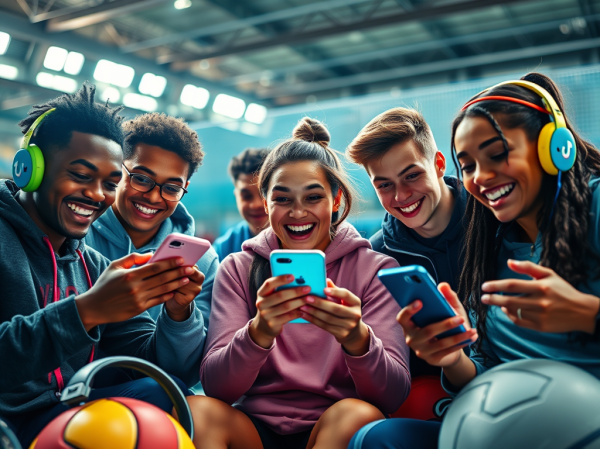
TikTok has significantly transformed the sports industry, particularly through the International Paralympic Committee's engaging content strategy aimed at Gen-Z audiences. Humorous videos effectively raise awareness of disability sports but risk trivializing their seriousness. The challenge lies in utilizing humor to promote inclusivity while maintaining respect for the professionalism of athletes.
Meet the team ~ Lenka Koubkova
Lenka Koubkova is a postgraduate student with a First Class Diploma in Sport Business and Management, passionate about sports since childhood. Her journey led her from Czechia to study in the UK, followed by work experience in Barcelona. She aims to pursue a career in sport marketing, focusing on digital content creation.
Podcast: Breaking the Mould: Social Media’s Impact on Women’s Sports and Athlete Representation
This podcast explores the impact of social media on women's sports, comparing its representation with traditional media. It highlights the positive and negative aspects, including the opportunity for athletes to defend themselves and build their personal brand, while also addressing challenges such as misrepresentation and online trolling. Social media is seen as a powerful tool for self-representation and event promotion.
 Media and Digital Transformation in Sport