The evolution of social media has disrupted traditional sports media by decentralizing communication, empowering athletes, and enabling innovative storytelling. While new formats engage younger audiences, challenges remain regarding misinformation and unregulated content. The blend of traditional and new media suggests a transformative rather than replaceable relationship, which raises questions about true empowerment versus control by tech giants.
Is TikTok revolutionising the Sport Industry? The Role of TikTok in Shaping Gen-Z Sports Culture through humour
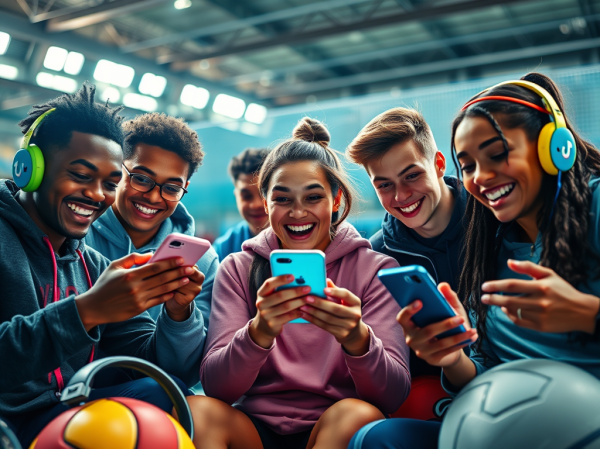
TikTok has significantly transformed the sports industry, particularly through the International Paralympic Committee's engaging content strategy aimed at Gen-Z audiences. Humorous videos effectively raise awareness of disability sports but risk trivializing their seriousness. The challenge lies in utilizing humor to promote inclusivity while maintaining respect for the professionalism of athletes.
Media Evolution: The Dynamic Interplay Between Tradition and Modernity

Sport has become a global passion, impacted and documented by traditional media. Print, TV, and radio are in decline, making way for online platforms and social media. Newspapers and magazines have shifted to the digital realm. Podcasts have redefined radio, offering personalized content. Traditional media is adapting and thriving in the digital era.
Darts: Hitting the Bullseye and Conquering Platformization in Sport Media
Darts has evolved from a pub game to a major televised sport, with the 2024 World Championship final attracting 3.71 million viewers. Platformization, including dedicated streaming services like PDC.tv and the rise of social media, has greatly contributed to this popularity. These platforms offer global reach and engagement, allowing the sport to attract new fans worldwide.
Are YouTube channels improving football?
YouTube, with over 2 billion users, is shaping modern society and revolutionizing sports consumption. The platform offers accessibility to sports content, benefiting amateur and youth levels. Additionally, it simplifies complex football tactics, making them accessible to novice coaches, fostering football's progress from the grassroots. This democratization of knowledge is vital for the sport's evolution.
Meet the team – Rachael Laverack
Hey there! Rachael here, a 25-year-old Strategic Sports Marketing masters student and expert in retail, marketing, and sports. Over the next 6 weeks, I'll be analyzing media and digital transformations in sports. Check back for my insights, peeks at my recent work, and snippets of my master's journey. Excited to learn with you all!
(5)The storytelling of YouTube Boxing!
https://youtu.be/WmBxfoUYrtU For the 5th entry of this series, we're taking it to YouTube with an audio podcast about the storytelling aspect that YouTube boxing brings to the sporting World! Before listening make sure you have read my previous blog entries to catch up, thanks, guys!
(4)Is YouTube now a part of sport???

Sports have been a part of human life since the beginning of time. From the ancient Greek Olympics to the modern-day Super Bowl, sports have been a source of entertainment, competition, and community for millions of people around the world. With the rise of the internet and social media, sports have taken on a new... Continue Reading →
(2)New Media? We use that!
The rise of new media in sport has transformed the way professional and amateur athletes engage with their fans and followers. Social media platforms such as Instagram, Twitter and Snapchat enable athletes to interact with their followers more directly and on a more personal basis (Ruggles, 2016). This has allowed athletes to build a strong... Continue Reading →
The Past Sport Media Ecology

This is the first of a four-part blog series investigating the history, current climate and the future of sports media, commenting on the relationship and interaction between sports and media. The first post will document and analyse the past sport media ecology that has shaped the industry to what is seen today. Nystrom (1973) defines... Continue Reading →
 Media and Digital Transformation in Sport